

Beginner’s Guide to Juzu: Essential Knowledge for First-Time Buyers
Juzu (Buddhist prayer beads) are essential ritual items used in Buddhist practice. In Soka Gakkai (SGI), juzu are indispensable for daily gongyo and daimoku. This guide introduces the basic knowledge you need when purchasing your first juzu.
Basic Structure of Juzu
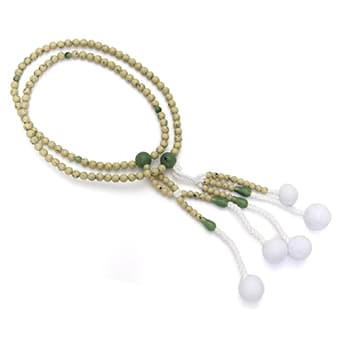
- Main beads (Shuju): Traditionally, there are 108 beads.
- Parent bead (Oyadama): A larger bead symbolizing the Buddha.
- Tassels (Fusa): SGI juzu feature a unique combination of three tassels and two tassels.
Meaning of the Tassels
- Three tassels → Head and both hands
- Twisted part → Navel
- Two tassels → Both feet
The entire juzu is said to represent the human body.
Colors of Tassels
While white tassels were once the mainstream, modern SGI juzu now feature diverse colors such as gray and pink.
How to Choose a Juzu
- Purpose: Daily gongyo or formal ceremonies.
- Material:
- Wood or natural stones (e.g., crystal): elegant and dignified
- Resin or plastic: lightweight and easy to handle
- Sizes: Based on the length of the 108-bead circle when extended:
- 24 cm → Women or children (8+)
- 30 cm → Unisex
- 36 cm → Men
- 21 cm → Infants (rare)
Handling Juzu
Avoid rubbing or squeezing the beads together during prayer. This may weaken the string and cause breakage. Handle the juzu gently without rubbing.
Conclusion
Soka Gakkai juzu are unique with their combination of three and two tassels, symbolizing the human body. With varied tassel colors and different sizes, choosing the right juzu requires understanding its materials, sizes, and symbolism. This knowledge ensures your juzu becomes a meaningful companion in faith.
Ready to explore? Find the perfect Buddhist implement for your practice.
View All Buddhist Implements

No comments yet.