
History of Buddhist Altars (Butsudan) in Japan
Role in writing: SGI Buddhist Shop
This article explains how the butsudan—a household Buddhist altar—developed in Japan and how it is used today. It is written for international SGI members and friends who want a concise, easy overview.
What Is a Butsudan?
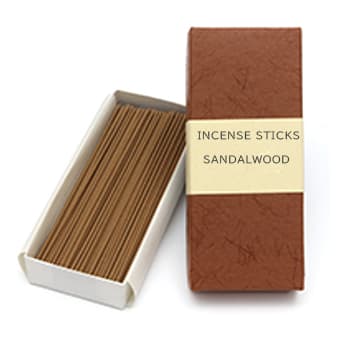
Butsudan (仏壇) literally means “Buddhist altar.” It is a cabinet or dedicated space at home where people enshrine a principal object of devotion (a statue, scroll, or the Gohonzon, depending on tradition), offer flowers, incense, light, water, and food, and pray.
In SGI households, the butsudan enshrines the Gohonzon, and members chant Nam-myoho-renge-kyo daily. For a broader view on SGI practice and global altar styles, see our related article: “Global Expansion of SGI Members & Buddhist Altar Culture.”
A Short Timeline
1) Origins: Temple Cabinets to Household Altars (pre-17th century)
The early model of the household altar was the zushi—a small cabinet used in temples and aristocratic homes to protect sacred images or scrolls. Over centuries, this “portable shrine” concept gradually entered ordinary houses as people created small spaces for daily devotion.
2) Early Modern Spread: Edo Period (17th–19th centuries)
During the Edo era, most households were affiliated with local temples. Family memorials and annual observances strengthened the role of the home altar. The butsudan became a daily place for prayer and remembrance of ancestors, and regional crafts (lacquer, gold leaf, metalwork) refined its design.
3) Modern Japan: Coexisting with New Lifestyles (late 19th–20th centuries)
Even as Japan modernized, the household altar remained central to family religious life. Many homes kept both a shintō shelf (kamidana) and a Buddhist butsudan. After World War II, urbanization and apartment living encouraged furniture-style and compact designs.
4) Today: Compact, Modern, and Purpose-Driven
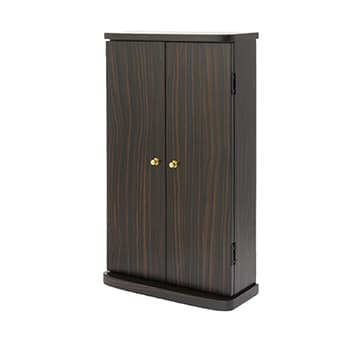
Contemporary butsudan range from traditional lacquered models to minimalist cabinets that fit small spaces. Regardless of style, the purpose is consistent: a daily focal point for prayer. Offerings usually include flowers, incense, light (candles or safe LED), water, and food.
Key Functions of the Butsudan
- Daily Practice: A quiet place to pray and reset one’s life-state.
- Family Connection: A shared space where gratitude and hopes are voiced together.
- Continuity: A link between generations, traditions, and one’s present goals.
Tips for First-Time Buyers
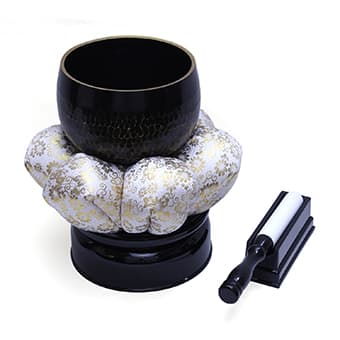
If you live in a compact home or apartment, consider a slim, furniture-style cabinet with doors to protect the enshrined object from light and dust. Choose a stable incense holder, a clean water cup, and a bell (orin) with a stand. For safety, LED lights are a good option where open flame is not permitted.


No comments yet.